

There is a common thread running through many accident reports, MORs and internal investigations. It’s not a single dramatic decision, nor a blatant breach, but a slow drift. Safety rarely collapses in one moment. It erodes through small, reasonable choices that make sense at the time.
In aviation we often believe risk will arrive with warning lights, in reality it often turns up disguised as familiarity: A task done a hundred times before. A route that always works. A workaround that becomes normal. Over time, the gap between how the system was designed to work and how it actually works grows wider, and nobody notices because nothing has gone wrong yet.
This is where safety management systems either earn their keep or quietly become paperwork. A good SMS is not there to catch bad people. It is there to spot normal behaviour becoming unsafe behaviour before the margin disappears. Reporting culture, trend analysis, and honest conversations matter far more than perfectly written manuals.
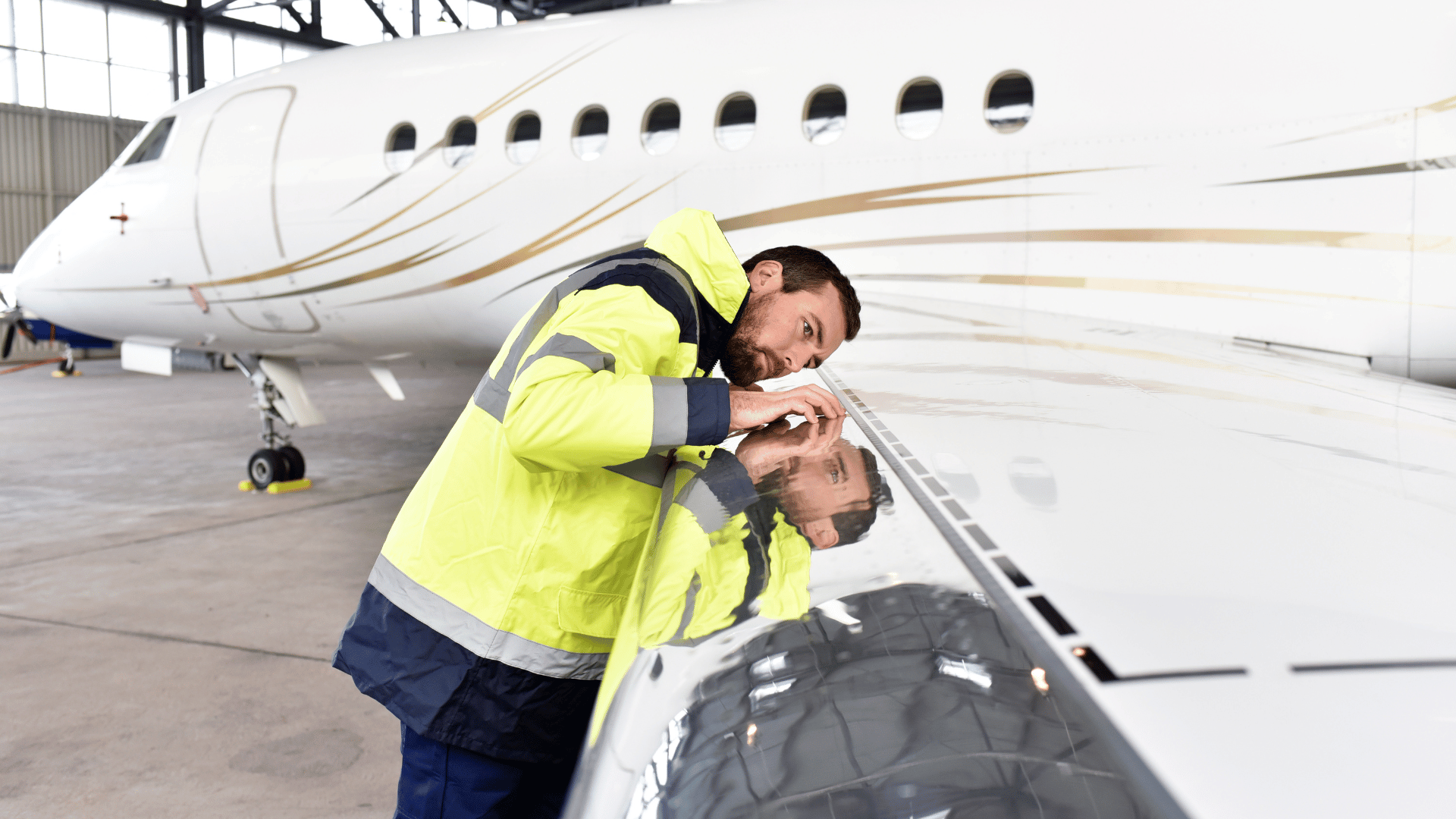
We see this pattern across flight operations, maintenance environments and ground operations. Fatigue creeping in during busy seasons. Assumptions made about airspace, weather or traffic because it worked last time. Checklists rushed because we think we know what we’re doing. None of it feels reckless in the moment.
The most effective operators are not the ones with the fewest findings. They are the ones who regularly ask uncomfortable questions about how work is actually being done. They treat reports as early warnings rather than problems to close. They understand that compliance is not the end goal. It is the foundation that allows people to work safely when conditions are less than ideal.